
Ancient Roots | Timeless Tradition
Oolong tea is the most diverse category of tea, shaped through generations of craftsmanship to express a wide spectrum of flavor and aroma. Zenith Leaf is committed to carrying forward the ancient art of oolong tea into the modern era.
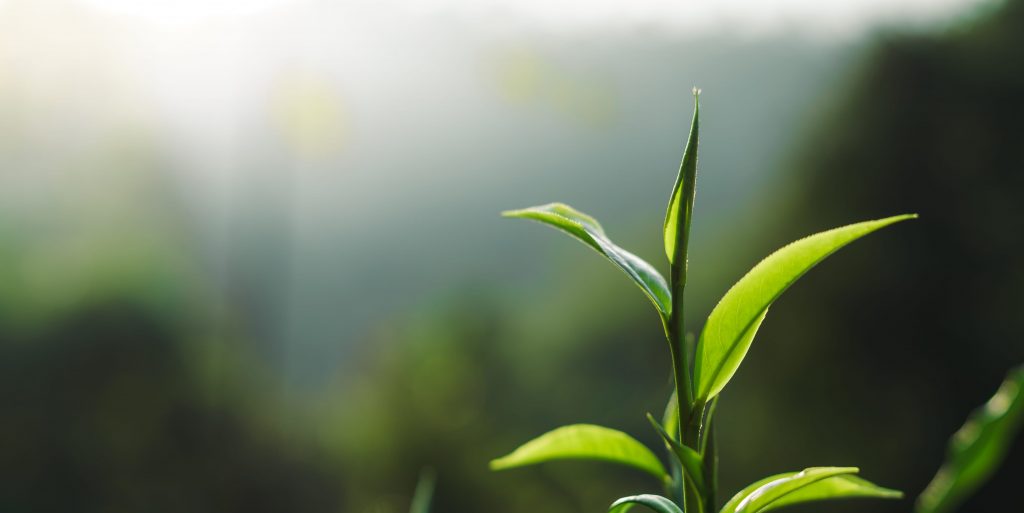
What is Oolong Tea?
Oolong tea is not a distinct type of tea plant; rather, it refers to a specific method of processing tea leaves after harvesting. The leaves are intentionally allowed to darken from air exposure for a period of time, creating flavors that fall anywhere between green tea and black tea. The darkening process is called oxidation.
Oxidation is the natural process that happens when tea leaves are exposed to air after picking, causing them to darken and gradually develop deeper flavors and aromas—similar to how a sliced apple turns brown over time.
Oolong Tea’s Remarkable Benefits
Research consistently shows that the compounds in oolong tea provide numerous and significant health benefits.

Antioxidant Power
Oolong tea’s unique antioxidant profile fights free radicals and protects against disease and age-related decline.
- Cachetins
- Epigallocatechin gallate (EGCG)
- Epicatechin gallate (ECG)
- Epigallocatechin (EGC)
- Epicatechin (EC)
- Flavonols
- Quercetin
- Kaempferol
- Myricetin
- Phenolic acids
- Gallic acid
- Chlorogenic acid

Metabolic & Cardiovascular Support
EGCG and ECG are powerful anti-inflammatories that have been shown to support a health heart and boost metabolism.
EGCG and ECG support heart health by reducing inflammation, improving blood vessel function through the production of nitric oxide, and modestly supporting healthy cholesterol levels.
There is also emerging evidence that these compounds support insulin sensitivity and mitochondrial function.

Calming Effects & Neurological Health
The caffeine in oolong tea is balanced by the calming effect of l-theanine, which promotes relaxation and increases alpha brain wave activity.
Some observational studies suggest that drinking tea regularly is associated with a lower risk of neurological diseases such as Alzheimer’s and dementia. However, it best seen as a supportive habit rather than a proven way to prevent these conditions.
Our Oolong Tea Collection
Oolong Tea vs. Green Tea?
Oolong and green tea come from the same plant, but are processed differently after harvesting. Green tea is heated quickly to preserve its fresh, vegetal character, while oolong is allowed to darken from air exposure for a period of time before heating. The amount of darkening can vary dramatically between styles, which is one reason why oolong is the most diverse category of tea.
Black tea leaves are allowed to fully darken from air exposure before being heated and dried, resulting in its darker color when brewed.
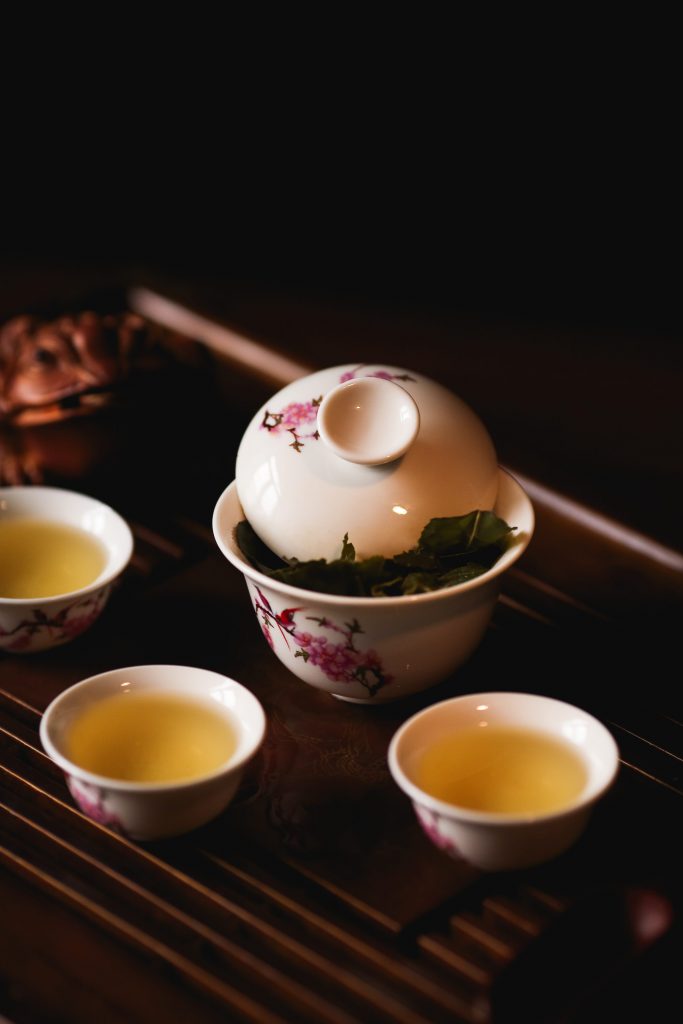
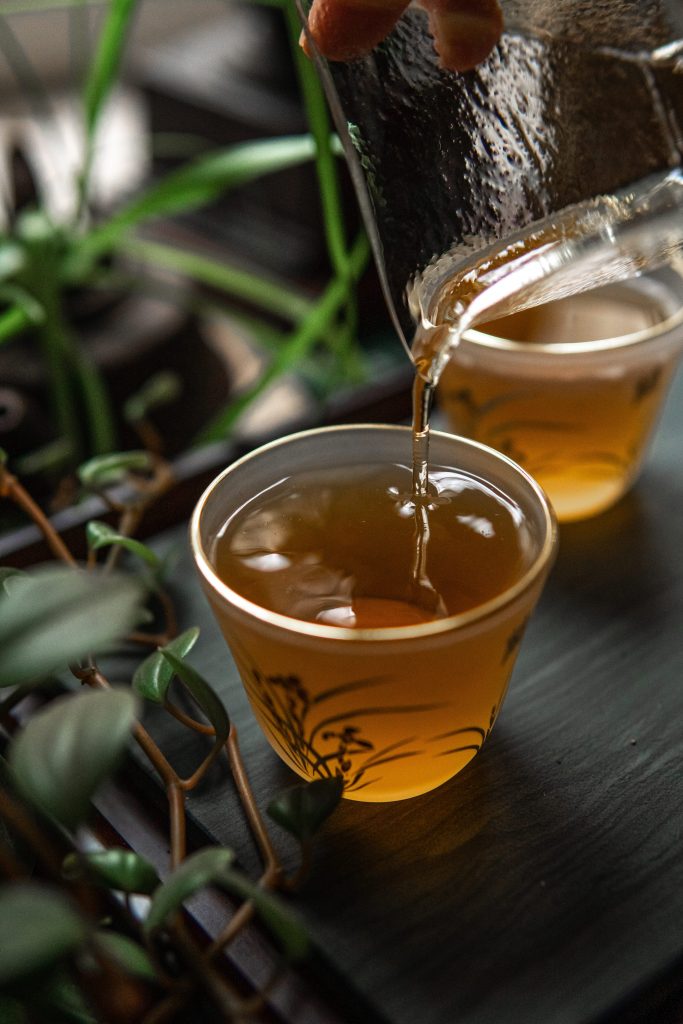
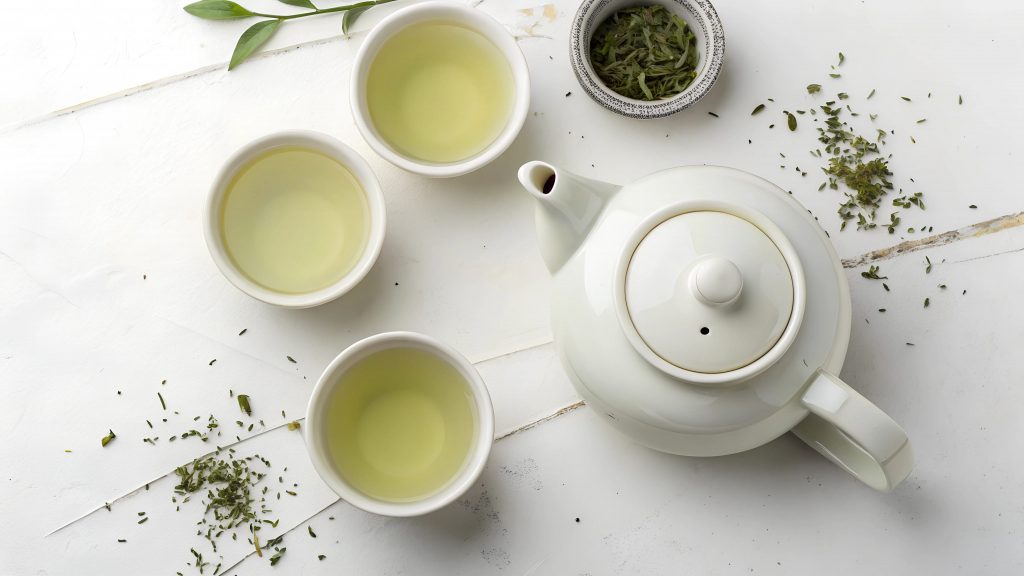
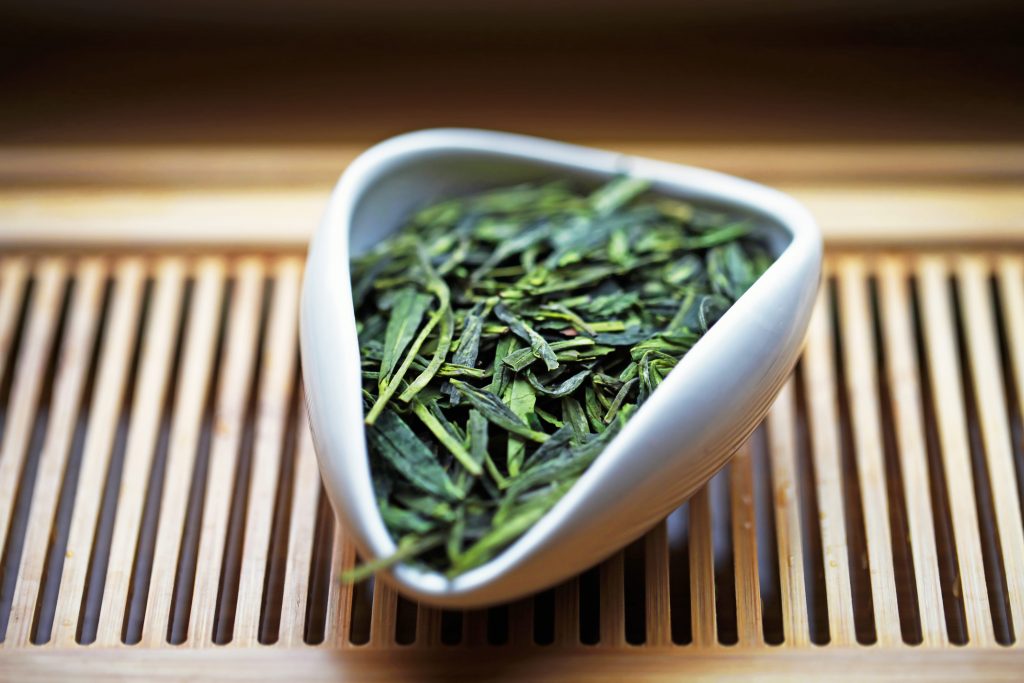
Teabags vs. Loose Leaf
| Loose Leaf Tea | Tea Bags | |
|---|---|---|
| Quality | Larger, whole leaves | Often broken leaf particles |
| Flavor | More nuanced and aromatic | Stronger but flatter |
| Brewing | Leaves fully expand | Limited room to open |
| Re-Steeping | Often multiple infusions | Usually one steep |
| Control | Adjust amount and strength | Less flexibility |
| Convenience | Takes slightly more effort | Quick and easy |
| Materials | Just tea leaves | May contain plastics or adhesives |
Loose leaf tea offers a cleaner, more satisfying experience with richer flavors, superior quality leaves, and a deeper connection to the tea itself, while teabags prioritize speed and convenience.
Caffeine Content
Oolong tea provides a more sustainable energy boost compared to coffee. Instead of a sudden jolt followed by a crash, it delivers a steady, balanced lift. This effect is partly due to l-theanine, which, when combined with caffeine, encourages a calm and focused state of alertness.
The energizing effect of oolong tea largely depends on the amount consumed. Its light flavor and hydrating qualities make it easy to enjoy in larger quantities throughout the day compared to coffee. In many tea cultures, sipping multiple infusions from morning through afternoon is a cherished daily ritual, providing a steady flow of energy.
Beyond Chemistry
Drinking oolong tea creates a sense of structure by encouraging regular moments of pause that engage the senses. These mindful breaks support mental clarity and enhance overall well-being throughout the day, which is the key to fully unlocking its benefits.
- L-theanine has been researched for its ability to increase alpha brain waves, which are associated with a calm, focused mental state.
- Per gram, tea leaves actually contain more caffeine than coffee beans. The difference is in how much caffeine is actually extracted into the cup.
- Oolong tea hydrates you. Although the caffeine in oolong tea is a mild diuretic, the net intake of water from it far outweighs the diuretic effect.
- Oolong tea contains compounds that can help freshen your breath and leave you with a pleasant aftertaste.
- Since oolong tea is defined by how the leaves are processed after harvesting, any tea plant can technically produce oolong tea.
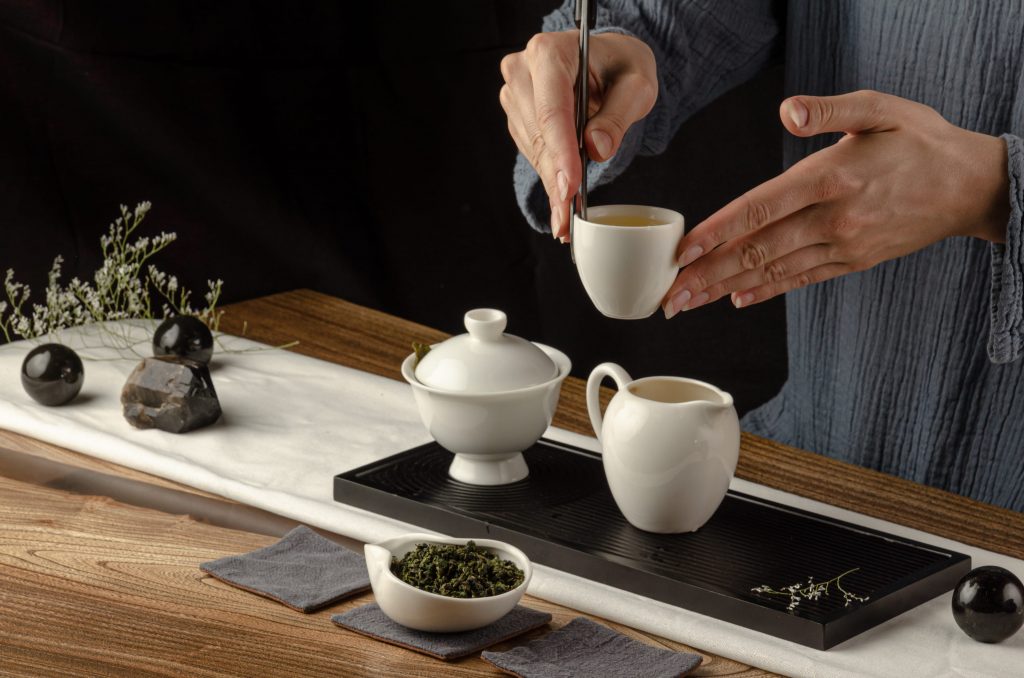
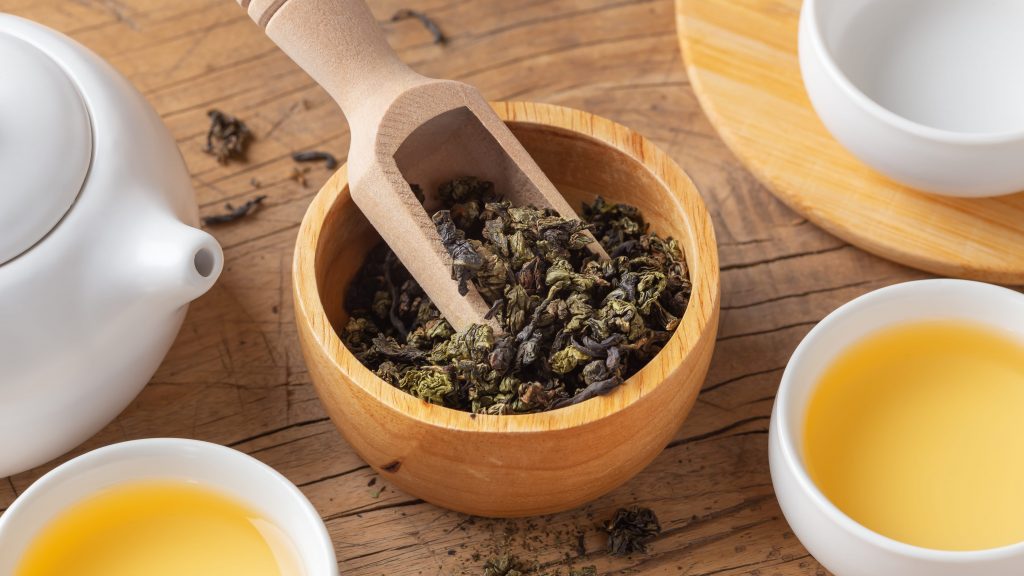
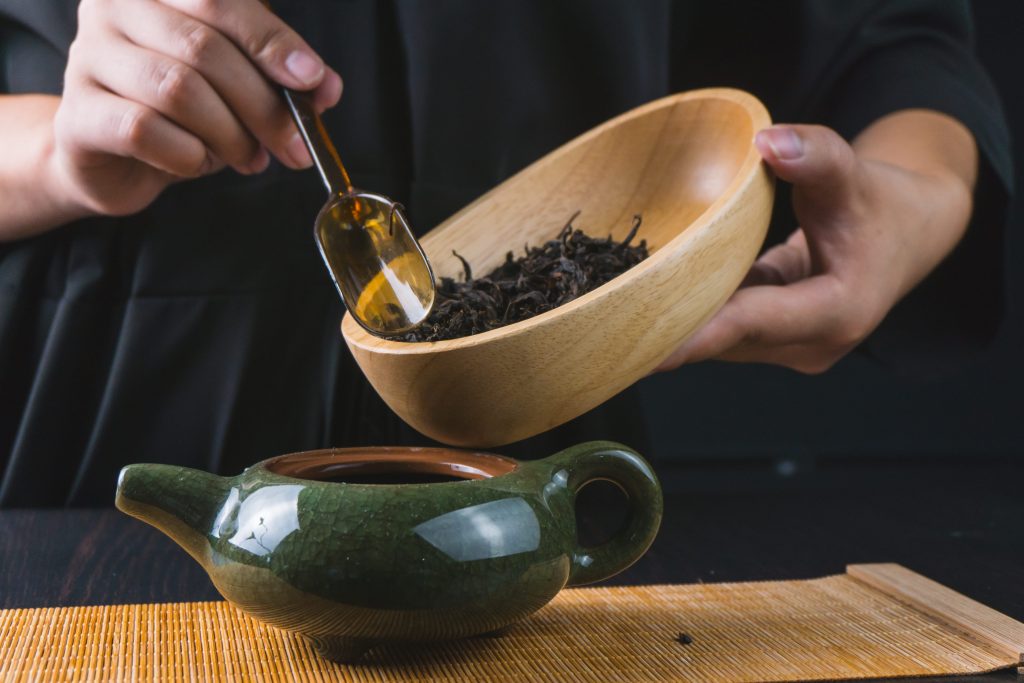
Find Your Perfect Zenith Leaf Cup
The flavors of oolong tea are surprisingly diverse, ranging from delicate florals and fresh sweetness to deeper notes of toasted grain and gentle earth—each style offering a distinct, evolving experience.
Zenith Leaf offers the finest curation of loose leaf teas, sourced from the world’s most renowned regions.