
Tea is much more than a comforting beverage. It’s a sensory experience shaped by a fascinating process known as oxidation. If you’ve ever seen an avocado turn brown after being sliced, you’ve witnessed this process in action. This same chemical reaction plays a crucial role in shaping the flavor, color, and aroma of the tea in your cup. Let’s dive into how oxidation works and its impact on the wide world of tea.
What is Oxidation?
Oxidation occurs when enzymes in a plant’s cells react with oxygen from the air. You can think of it as the reason an avocado’s flesh darkens, or why bananas ripen and change flavor. The same thing happens in tea. As leaves undergo oxidation, their composition changes, unlocking new flavors and aromas. Tea producers carefully control this process, creating distinct characteristics for different types of tea.
How Oxidation Changes the Chemical Composition of Tea
Oxidation isn’t just about changing the look of tea leaves, it also triggers chemical reactions within them. Enzymes break down antioxidants like catechins into compounds called theaflavins and thearubigins. These compounds are responsible for the rich flavors and darker hues in teas like black and oolong. Additionally, oxidation affects other elements, such as caffeine and tannins, which contribute to a tea’s taste, astringency, and potential health benefits. Tea producers master oxidation to craft a variety of teas, each with its unique profile.
The Role of Oxidation in Tea Categories
Oxidation is at the heart of tea production. It plays a vital role in determining a tea’s category. Each tea type undergoes a different level of oxidation, which gives it its signature flavor.
- Green Tea: Green tea undergoes minimal oxidation. To preserve its fresh, grassy taste, the leaves are quickly steamed or pan-fired right after harvest. This prevents oxidation and keeps the tea light and vibrant.
- White Tea: White tea experiences light oxidation. Its delicate flavor and soft floral notes come from minimal interference, allowing the tea to stay close to its natural state.
- Yellow Tea: Yellow tea is lightly oxidized, like white tea, but with a slow drying process. This gives it a smooth, mellow, and slightly sweet flavor that’s distinct and unique.
- Oolong Tea: Oolong tea sits between green and black tea, with oxidation levels ranging from 10% to 90%. This creates a vast range of flavors, from fruity and floral to rich and toasty.
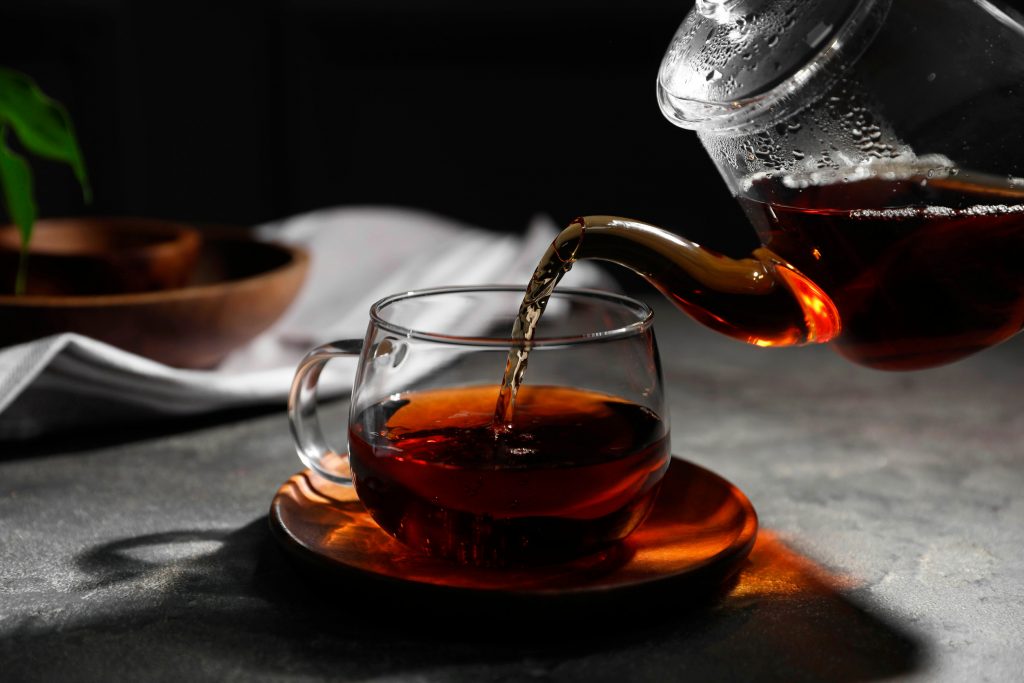
- Black Tea: Black tea is fully oxidized. This gives it bold, robust flavors and a dark reddish-brown infusion. The complete oxidation transforms the leaves into something rich and hearty.
- Pu-erh Tea: Unlike most teas, pu-erh is fermented, not oxidized. This process results in earthy, complex flavors that are unique to pu-erh.
How Oxidation Enhances Your Tea Experience
Understanding tea oxidation can help you choose the right tea for your mood or health needs. Whether you’re in the mood for the brisk strength of black tea, the floral elegance of oolong, or the refreshing simplicity of green tea, oxidation makes all the difference.
Next time you sip your favorite tea, think about the journey the leaves have taken. From careful oxidation control to the artistry of tea production, every cup is a celebration of nature and craftsmanship. At Zenith Leaf, we’re passionate about connecting you to the extraordinary world of tea. And oxidation is just the beginning.