
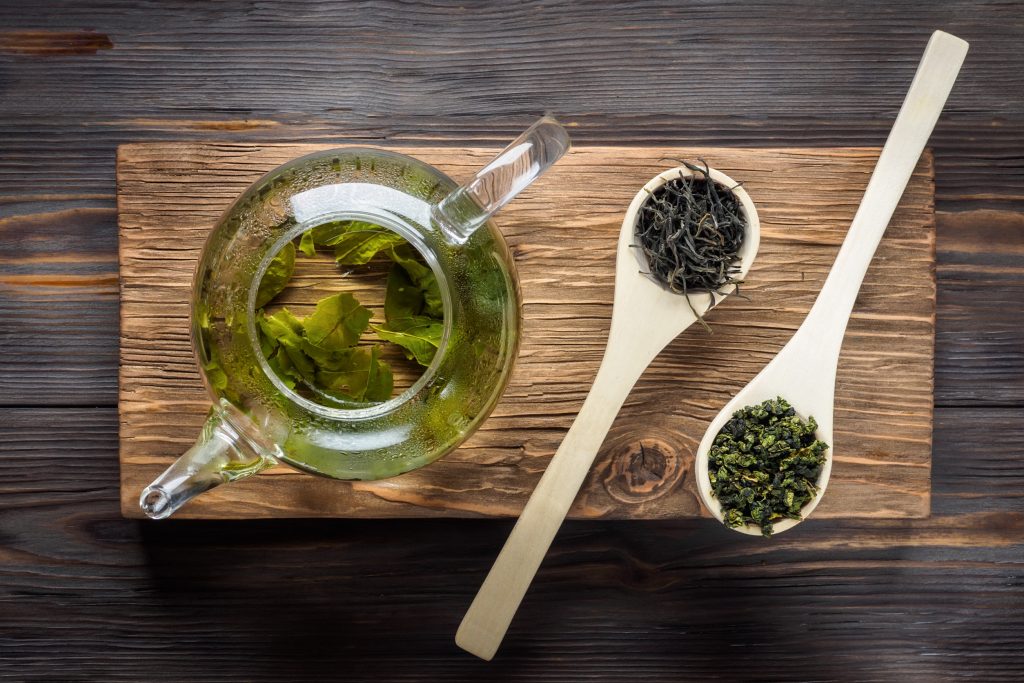
Tea lovers often ask the question: white tea vs green tea — which is better? To answer that, we have to dive deep into the world of tea processing, plant varieties, and the nuanced art of tea making. While both teas come from the same plant, Camellia sinensis, their differences lie in how they are handled after harvest.
Same Plant, Different Cultivars
Most true teas — white, green, oolong, black, yellow, and pu-erh — originate from the same plant, Camellia sinensis, an evergreen shrub. Within this single species, there exists a vast array of cultivars—cultivated varieties specifically bred for traits like leaf shape, flavor profile, pest resistance, or adaptability to certain climates. To put it in perspective, just as apples come in different varieties like Granny Smith, Fuji, or Honeycrisp, tea also has numerous varieties, each offering unique characteristics that shape its taste and aroma.
Tea producers can use any cultivar of Camellia sinensis to produce any type of tea, much like bakers can use any variety of apple to bake a pie—though some apples undoubtedly yield better results depending on the desired outcome. In essence, the way tea producers process the leaves after harvesting, rather than the plant itself, defines a tea as green or white.
About Green Tea
How Green Tea is Made
Now that we understand post-harvest processing is what distinguishes white tea from green tea, let’s explore how the processing objectives differ, beginning with green tea. For green tea, the primary goal is to maintain the tea leaf in a state as close to its freshly plucked form as possible, which requires halting oxidation right away.
What is Oxidation? In simple terms, it is what happens when cells in the tea leaf react with oxygen in the air. A great analogy is an avocado turning brown after being sliced. The same browning process occurs in tea if oxidation is not stopped. Green tea avoids this by applying heat shortly after harvest — usually by pan-firing in a wok, baking in an oven, or steaming. This heat deactivates the enzymes that cause oxidation.
Black tea, on the other hand, is deliberately oxidized, giving it its dark color and rich, malty flavors.
Types of Green Tea
Green teas come in many forms, each shaped by regional techniques and traditions:
- Dragonwell (Longjing): A pan-fired Chinese tea known for its toasty, nutty aroma and flat, spear-shaped leaves.
- Anji Bai Cha: Pale green and delicate, this variety is prized for its high L-theanine content and sweet, silky profile.
- Jasmine Green: What sets this tea apart is its scenting process. Fresh jasmine flowers are layered over finished green tea and replaced several times until the floral fragrance is fully absorbed.
Each style offers a unique sensory experience.
About White Tea
How White Tea Is Made
In contrast, white tea undergoes the least amount of processing. The goal of producing white tea is to preserve the purity of the leaf with as little interference as possible. The leaves are simply plucked, withered in natural air, and dried. This minimal approach allows for slight, natural oxidation to occur. Rather than halting the oxidation like in green tea, white tea makers aim to let it happen gently and gradually.
Types of White Tea
- Silver Needle (Bai Hao Yin Zhen): Made only from young buds, it’s soft, sweet, and elegantly floral.
- White Peony (Bai Mu Dan): Includes both buds and leaves, giving it a fuller body and richer flavor.
- Aged White Tea: Stored for several years under controlled conditions, it develops honeyed, woody, and earthy notes that are surprisingly deep and smooth.
Health Benefits of White Tea Vs. Green Tea: Similar, Yet Distinct
Both green and white teas are rich in antioxidants and polyphenols. However, because green teas are heated immediately, they tend to preserve slightly higher levels of catechins like EGCG. These compounds are often linked to metabolism support and cardiovascular health.
White tea, on the other hand, retains more of the original enzymes and some different polyphenolic compounds due to its gentle oxidation. It’s often associated with skin health and anti-aging benefits.
In reality, both are excellent choices for wellness. The difference comes down to nuance, not superiority.
Regional Preferences and Terroir
Certain regions have become known for producing either green or white tea, not because the land is limited to one type, but because the terroir — the unique combination of soil, climate, altitude, and craftsmanship — tends to favor a specific outcome.
For example, Fujian province in China is renowned for its white teas, thanks to its misty mountains and gentle sun, ideal for slow withering. Zhejiang, meanwhile, is famed for Dragonwell green tea, where traditional pan-firing methods and the local microclimate create a distinctive toasted note.
That said, tea artisans often experiment. A Fujian white tea farmer might try his hand at making a green tea from the same leaves he uses for Silver Needle. When done with care and creativity, the results can be magical — rare finds that make tea exploration so endlessly fascinating.
A World of Discovery
With thousands of varieties produced every year, the journey through tea is infinite. While we have focused on white tea vs green tea, know that the line between them is soft and artistic. The craft of tea is as much about tradition as it is about exploration. And that’s what makes each cup a small act of discovery.
Whether you lean toward the grassy clarity of green tea or the soft elegance of white tea, there is always something new to try — and a story behind every leaf.