
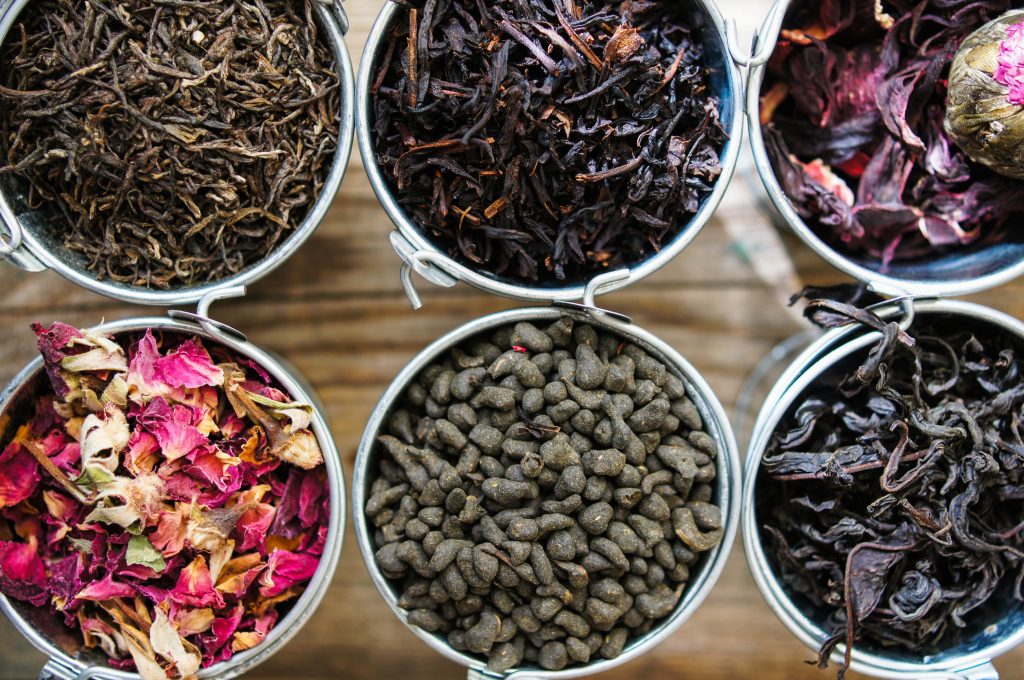
If you’re on a mission to find the best loose leaf tea, you’ve likely realized that not all teas are created equal. With shelves full of enticing packaging and labels touting organic certifications, it’s easy to get lost in the tea aisle. But here’s the truth: truly exceptional tea goes far beyond just being labeled “organic” or “loose leaf.” Let’s explore exactly what you should look for to find the ultimate tea experience.
Why Loose Leaf Tea Beats Tea Bags
First, let’s clarify why loose leaf tea consistently outranks tea bags in quality and flavor:
- Fuller Flavor: Loose leaf tea contains whole leaves, giving it richer and more complex flavors compared to the crushed leaves in tea bags.
- Superior Leaf Quality:Producers prioritize their finest leaves for loose-leaf teas, while tea bags are often filled with lower-grade, broken leaves or dust—essentially the leftover material after the premium leaves are selected.
- More Control: Brewing loose leaf tea allows precise control over flavor intensity, steeping times, and water temperature.
What Makes a Loose Leaf Tea High Quality?
1. Freshness is Essential
Tea, like coffee, tastes best when fresh. High-quality teas are harvested, processed, and packaged quickly to maintain their flavor and health benefits. Look for teas with clearly labeled harvest dates and airtight packaging.
Certain teas, like green teas and lightly oxidized oolongs, tend to age more quickly due to their higher enzyme activity. The greener the tea leaf, the more intact its natural enzymes, which play a key role in defining the tea’s flavor profile. As these enzymes break down over time, much of the tea’s original character fades. For this reason, green teas and light oolongs are often stored under refrigeration to preserve their freshness.
Conversely, some teas are intentionally aged to enhance their complexity, such as pu-erh, darker oolongs, and even white tea. White tea, in particular, develops deep, nuanced flavors as it matures, making it a favorite among tea enthusiasts.
2. The Importance of Origin
The best loose leaf teas come from regions with centuries of tea-growing tradition, such as China’s Fujian Province, Darjeeling in India, and mountainous regions of Taiwan and Japan. These areas have ideal climates and terroir, creating teas with distinctive flavors and aromas.
3. Small Batch Production
Mass-produced teas often sacrifice quality for quantity. In contrast, small-batch tea producers focus meticulously on every step of production—from careful hand-picking of leaves to precise drying methods—ensuring a more flavorful and nuanced tea.
4. High Altitude Harvesting
Altitude plays a major role in determining tea quality. Most premium teas grow at higher altitudes where cooler temperatures and slower growth produce more concentrated flavors, antioxidants, and aroma compounds. Teas from high altitudes are also typically free from many pests, reducing the need for chemical treatments (impact of altitude on tea quality).
5. Skilled Craftsmanship
The skill of tea makers significantly affects tea quality. Expert tea producers understand exactly when and how to process tea leaves to enhance natural flavors and aromas, crafting teas that are vibrant and full of character.
Why “Organic” Isn’t Always Better
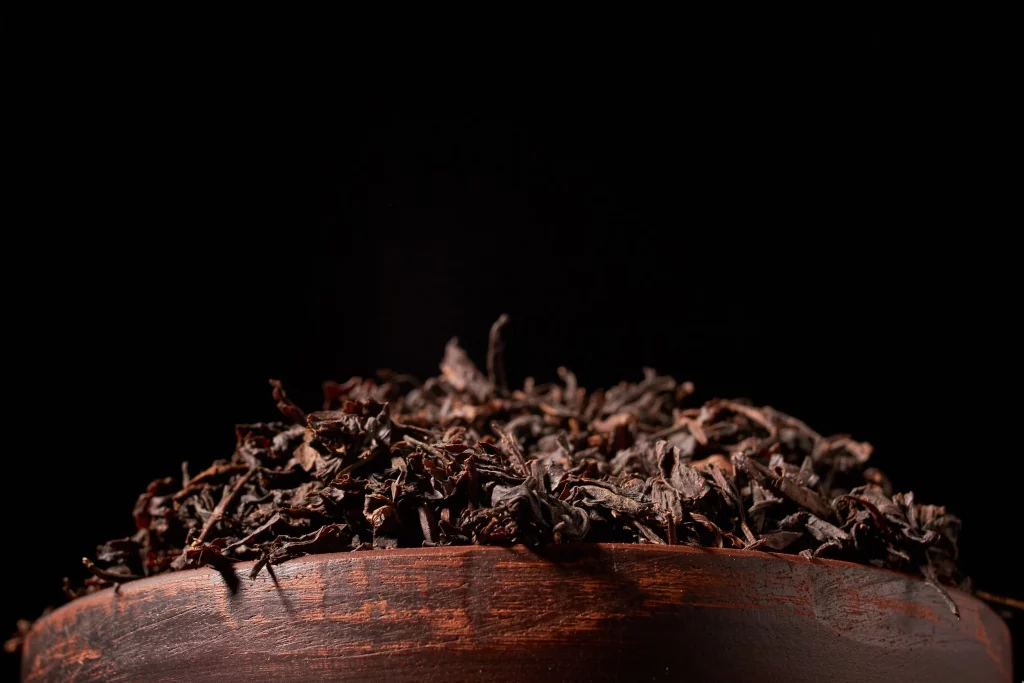
While “organic” might suggest higher quality, it’s important to know that organic certification doesn’t guarantee superior flavor or freshness. Organic certification primarily means the tea was grown without synthetic pesticides or fertilizers, but it doesn’t reflect other crucial factors like leaf quality, freshness, skilled processing, altitude and soil conditions.
In fact, many small-scale tea farmers produce exceptional teas using organic practices but cannot afford formal certification. Therefore, it’s wise to focus on small-batch and artisan-produced teas, which often surpass certified organic teas in taste and overall quality.
Health Benefits of High-Quality Loose Leaf Tea
Choosing premium loose leaf tea isn’t just about enjoying superior taste—it can significantly boost your health:
- Rich in Antioxidants: High-quality teas contain more antioxidants like catechins and polyphenols, which fight inflammation, aging, and chronic disease.
- Higher Nutrient Content: Small-batch, high-altitude teas often have higher concentrations of vitamins and beneficial compounds like L-theanine, known for reducing stress and improving cognitive function.
- Cleaner Production Methods: Premium teas often use sustainable farming practices, minimizing exposure to harmful chemicals and pollutants.
How to Shop for the Best Loose Leaf Tea
Ready to start shopping? Here’s a quick guide to selecting the best teas.
Check Packaging and Labels
- Look for clear harvest dates and origin information.
- Opt for tea packaged in airtight, opaque containers to preserve freshness.
Know Your Varieties
Familiarize yourself with tea categories:
- Green Tea: Fresh, grassy, and lightly vegetal. Opt for high-altitude Japanese sencha or Chinese Dragonwell.
- Black Tea: Bold and robust flavors from high-quality regions like Darjeeling or Yunnan.
- Oolong Tea: Partially oxidized, offering a range from floral to fruity to earthy, especially from Taiwan’s mountainous regions.
- White Tea: Delicate and minimally processed. High altitude, small batch Fujian whites are outstanding.
- Pu’er Tea: Fermented tea known for probiotics and digestive benefits, ideal from traditional Yunnan producers.
Trust Specialty Tea Shops and Expert Reviews
Specialty tea retailers and expert-curated online shops often provide detailed sourcing information, tasting notes, and even direct relationships with farmers. Don’t hesitate to check reputable tea blogs, online communities, or reviews from knowledgeable tea drinkers.
Final Thoughts
Finding the best loose leaf tea involves exploring beyond labels, certifications, and flashy marketing. Instead, choose teas from small batches, harvested at high altitudes, and crafted by skilled tea artisans. Your reward? An unforgettable tea experience that delights your palate and nurtures your health.