
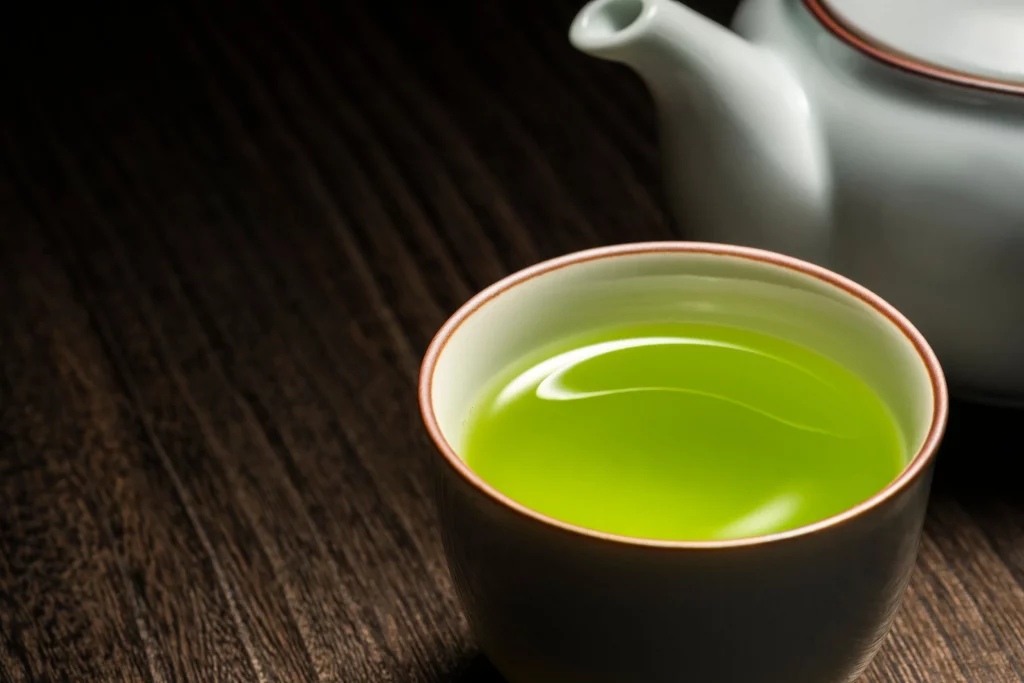
Green tea is more than just a soothing beverage. It’s a nutritionally dense infusion known for its antioxidant properties, metabolic benefits, and cognitive support. But what vitamins are in green tea, and how do they contribute to your health and fitness goals? This article explores the vitamin content of green tea, supported by scientific literature and practical application—especially in relation to biohacking, performance, and even intermittent fasting.
Overview of Green Tea’s Nutritional Composition
While green tea is best known for its polyphenols, particularly catechins like EGCG (epigallocatechin gallate), it also contains a range of essential vitamins. Though present in relatively small amounts compared to food sources, these micronutrients can still contribute to overall wellness when consumed consistently.
One thing to keep in mind before we get into the details is that the quality of your green tea will greatly affect its vitamin content, so it is essential that you select the right one. That being said, let’s dive in.
Key Vitamins Found in Green Tea
- Vitamin C (Ascorbic Acid)
- Vitamin B2 (Riboflavin)
- Vitamin B3 (Niacin)
- Folate (Vitamin B9)
- Vitamin E (Tocopherol)
- Vitamin K
Vitamin C: Immune Function and Antioxidant Support
Green tea contains a modest amount of vitamin C, a well-known antioxidant that contributes to immune health, collagen synthesis, and iron absorption. According to a study published in the Journal of Nutritional Science, the vitamin C content in green tea can vary depending on leaf maturity, processing, and steeping method.
Vitamin B2 (Riboflavin): Energy Production and Cell Health
Riboflavin plays a key role in mitochondrial energy production and the metabolism of fats, drugs, and steroids. Although not abundant, the riboflavin in green tea can support overall B-vitamin intake, especially for those following high-performance diets or rigorous training routines. As noted by the National Institutes of Health (NIH), riboflavin is essential for converting food into usable energy.
Niacin (Vitamin B3): Enhancing Circulation and Cognitive Function
Green tea contains small amounts of niacin, which supports healthy circulation, energy metabolism, and may even play a role in brain function. Niacin’s neuroprotective properties are being explored in the context of age-related cognitive decline.
Folate (Vitamin B9): Critical for DNA Synthesis and Repair
Folate is crucial for DNA and RNA synthesis, cell division, and amino acid metabolism. While green tea isn’t a major source, it does contribute to overall intake, particularly in populations that may be borderline deficient. Numerous studies have highlighted folate’s significance in reducing the risk of cardiovascular disease and neural tube defects.
Vitamin E: Skin Health and Oxidative Stress Protection
Vitamin E, a fat-soluble antioxidant, helps protect cells from oxidative damage. While typically found in higher-fat plant foods, green tea contributes trace amounts. Its synergistic effects with catechins may enhance cellular defense against free radicals.
Vitamin K: Blood Clotting and Bone Metabolism
Some varieties of green tea, especially matcha (which uses the whole leaf), contain vitamin K. This vitamin is essential for proper blood coagulation and bone health. According to the Office of Dietary Supplements, vitamin K also works synergistically with vitamin D and calcium.
Synergistic Effects: Beyond Isolated Nutrients
Although the vitamin content in green tea is relatively low compared to supplements or whole foods, it plays a synergistic role with its other bioactive compounds. For instance:
- EGCG + Vitamin C: Enhanced absorption and antioxidative capacity.
- L-theanine + B vitamins: Improved cognitive clarity and reduced stress levels.
It’s essential to consider the nutritional impact of green tea holistically. Rather than focusing on individual nutrients, think of them as a team working synergistically to enhance your overall well-being—creating benefits that are greater than the sum of their parts.
Does Brewing Method Affect Vitamin Content?
Yes. The concentration of vitamins in your cup depends on several factors:
- Water temperature: Excessive heat can degrade vitamin C and folate.
- Steeping time: Longer steeping may increase extraction but reduce heat-sensitive compounds.
Green Tea and Intermittent Fasting: A Nutritional Ally
Green tea is commonly consumed during intermittent fasting windows due to its lack of calories and ability to enhance metabolic activity. But the vitamin content offers additional benefits:
- Vitamin C and E: Support cellular defense during fasting-induced oxidative stress.
- B vitamins: Help maintain energy levels, especially during prolonged fasts.
- Folate: Assists in cellular repair and regeneration during autophagy.
These vitamins, in combination with green tea’s catechins and natural caffeine, help curb hunger, improve focus, and support the body’s detoxification processes during a fast. Research published in Antioxidants supports green tea’s ability to enhance fat oxidation and improve metabolic flexibility—key outcomes for those practicing time-restricted eating.
Additionally, drinking green tea on an empty stomach, as it is drunk while intermittent fasting, provides even more benefits.
Conclusion: Small Quantities, Big Impact Over Time
So, what vitamins are in green tea? While not a multivitamin replacement, green tea delivers a spectrum of micronutrients that contribute to immunity, energy production, and metabolic support—especially when integrated into a daily wellness routine. For health and fitness enthusiasts, the synergy between these vitamins and green tea’s polyphenols offers a powerful, evidence-backed tool for physical and cognitive optimization.