

A daily tea ritual can be a small but meaningful act of care. And when it comes to green tea, that ritual brings more than just comfort. This centuries-old infusion has earned its place in traditional wellness systems across Asia, and today, scientific research continues to affirm what those before us already knew—green tea supports the body and mind in remarkable ways.
Whether you’re new to tea or already a daily drinker, green tea is a simple, elegant addition to your routine that carries a wide array of benefits. And no, it doesn’t have to taste like grass. Let’s explore what makes green tea so special and how just a few cups a day might shift the way you feel.
The Origins of Green Tea
One Plant, Many Teas
Green, oolong, and black tea all come from the same plant—Camellia sinensis. What sets green tea apart is how it’s handled after harvest. The leaves are steamed or pan-fired to prevent oxidation, keeping their vibrant color and delicate compounds intact.
This minimal processing preserves high levels of catechins, particularly EGCG (epigallocatechin gallate), a compound that has been studied for its potential health-promoting effects. The result is a tea that’s rich in antioxidants and remarkably refreshing, whether enjoyed hot or cold.
A Brief History of Green Tea
According to legend, green tea was discovered by Chinese Emperor Shennong around 2737 BCE, when a tea leaf drifted into his boiled water. The accidental infusion became an enduring tradition, spreading from royal courts to everyday kitchens, eventually making its way across the globe.
Today, more than 600,000 tons of green tea are consumed annually worldwide. Its appeal is rooted not only in flavor but in function—green tea has long been used to support digestion, focus, energy, and longevity.
Green Tea Varieties
Green tea is not a monolith. Within this category are a range of styles with distinct characteristics and benefits. At Zenith Leaf, we carry a variety of rare green teas that are produced in small batches and grown at high elevations:
- Anji Pearl Tips (Anji Bai Cha) – A rare green tea from Zhejiang, China, known for its high L-theanine content and sweet, orchid-like aroma. Its pale infusion is remarkably smooth and calming.
- Iron Goddess (Tie Guan Yin) – This is technically an oolong tea, but it’s only lightly oxidized, so it’s close enough to a green tea to provide the same benefits. It has rich floral notes, a creamy texture, and lingering sweetness. Depending on the roast, it can lean green and vibrant or warm and toasty.
- Jasmine Pearls – Green tea hand-rolled into pearls and scented multiple times with fresh jasmine blossoms. Delicate, fragrant, and subtly sweet, this tea is an aromatic experience from start to finish.
Each variety offers its own experience and can be tailored to the mood or time of day.
The Benefits of Green Tea
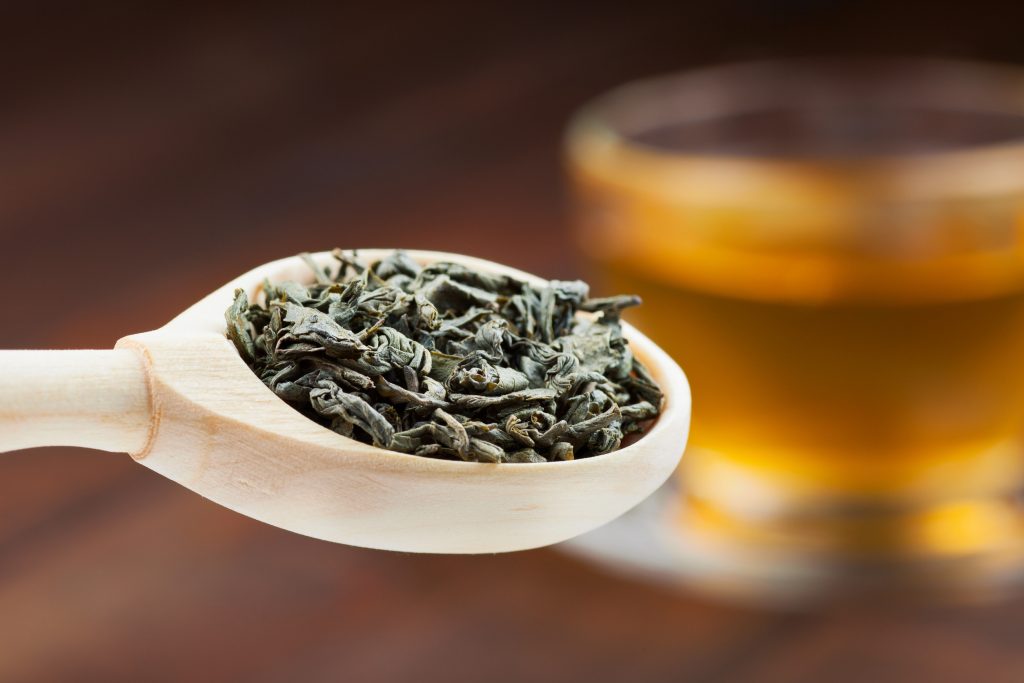
Green tea is more than a beverage—it’s a practice in supporting your body over time. Here are 13 ways that this tea may quietly uplift your health.
1) Supports Metabolic Health
Green tea may encourage a more efficient metabolism. In several studies, its antioxidants have been linked to increased calorie burning and improved fat oxidation, especially when combined with movement.
One study found that participants who consumed green tea while maintaining similar diets to non-drinkers experienced greater fat loss and energy expenditure.
For those who enjoy morning workouts, sipping green tea beforehand may enhance your body’s use of fat for energy.
2) Offers Cellular Protection
Thanks to its concentration of polyphenols, green tea may help neutralize free radicals—unstable molecules that can damage cells and contribute to chronic disease.
EGCG is particularly powerful, showing potential in laboratory settings to inhibit the growth of certain cancer cells. While more research is needed, population studies have linked green tea consumption with reduced cancer risk in regions with high intake.
3) Supports Cardiovascular Function
Several long-term studies have found that regular green tea drinkers are less likely to experience heart disease. Mechanisms include:
- Lowering LDL (“bad”) cholesterol
- Improving endothelial function (how blood vessels expand and contract)
- Reducing blood pressure in some individuals
A study of over 40,000 Japanese adults found that those who drank five or more cups per day had a 26% lower risk of cardiovascular death.
4) Encourages Longevity
Green tea isn’t a magic potion, but it may help you age well. Its compounds support several systems in the body, potentially contributing to a longer, healthier life.
In the same study above, participants with the highest green tea intake had a significantly reduced risk of death from all causes over an 11-year period.
5) Supports Blood Sugar Balance
Green tea has been found to potentially aid in stabilizing blood sugar levels, particularly following meals. A growing body of clinical trials indicates that it may help lower fasting glucose levels and enhance insulin sensitivity. While it should not be considered a substitute for professional medical treatment or management, incorporating green tea into your routine could serve as a valuable complementary approach for individuals looking to better regulate their glycemic health.
6) Calms Inflammation
Chronic inflammation contributes to many modern ailments—from digestive troubles to joint discomfort. Green tea’s anti-inflammatory effects may help moderate this response.
EGCG appears to inhibit certain pro-inflammatory pathways, offering relief for individuals with conditions like arthritis or irritable bowel syndrome.
7) Enhances Brain Function
Green tea contains modest caffeine and an amino acid called L-theanine. Together, they promote focused energy without the overstimulation often associated with coffee.
This gentle synergy supports:
- Increased attention and memory
- Reduced mental fatigue
- A calmer, more grounded alertness
Some research also suggests long-term green tea consumption may help protect against cognitive decline.
8) Eases Stress and Lifts Mood

L-theanine is believed to have a significant impact on neurotransmitters such as GABA, serotonin, and dopamine, all of which are crucial for maintaining balanced mood and emotional well-being. By influencing these chemical messengers, L-theanine may help promote relaxation and improve emotional resilience.
In various observational studies, people who consume green tea on a consistent basis often report feeling lower levels of stress and anxiety compared to those who do not. Additionally, these individuals appear to have a reduced likelihood of experiencing depressive symptoms, suggesting a potential link between green tea consumption and improved mental health.
9) Nurtures Skin Health
The powerful antioxidants found in green tea offer a range of benefits for the skin, working effectively from the inside out. One of its key compounds, EGCG, plays a vital role in shielding the skin from harmful UV damage while also promoting the production of collagen, which helps maintain skin elasticity and firmness. Additionally, using green tea in topical applications can provide soothing effects, potentially reducing redness, calming acne-prone skin, and minimizing puffiness to leave your complexion looking refreshed and revitalized. However, white tea has the slightly upper hand over green tea when it comes to benefiting the skin.
10) Strengthens Teeth and Gums
Unlike coffee, which is notorious for leaving stains on your teeth, green tea offers a much gentler alternative that won’t discolor your smile. In fact, it might even provide some protective benefits for your oral health. Research indicates that green tea has the potential to reduce plaque accumulation and promote healthier gums, largely due to its natural antibacterial properties that help combat harmful bacteria in the mouth.
11) Promotes Healthy Hair
Some studies suggest that the compounds found in green tea may play a role in stimulating hair follicles, potentially prolonging the growth phase of the hair cycle. Although individual results can differ based on various factors, green tea rinses have gained significant popularity as a natural and accessible home remedy, often praised for their potential to promote thicker, healthier, and more resilient hair.
12) Fortifies the Immune System
Green tea contains powerful catechins, with EGCG being one of the most notable compounds, known for its impressive antimicrobial properties. Research suggests that these catechins can help suppress the growth and activity of various harmful bacteria and viruses, offering a natural defense against potential infections. Furthermore, they may play a role in maintaining a balanced gut microbiota, which is essential for a healthy immune system and overall well-being.
13) Helps Protect Bone Density
As we grow older, preserving bone mass becomes increasingly vital for overall health and mobility. Emerging studies suggest that the polyphenols found in green tea may play a significant role in maintaining bone strength and minimizing the likelihood of fractures, particularly in aging individuals. These natural compounds are believed to support bone health by reducing inflammation and oxidative stress, factors often associated with bone density loss in older adults.
Best Times to Drink Green Tea
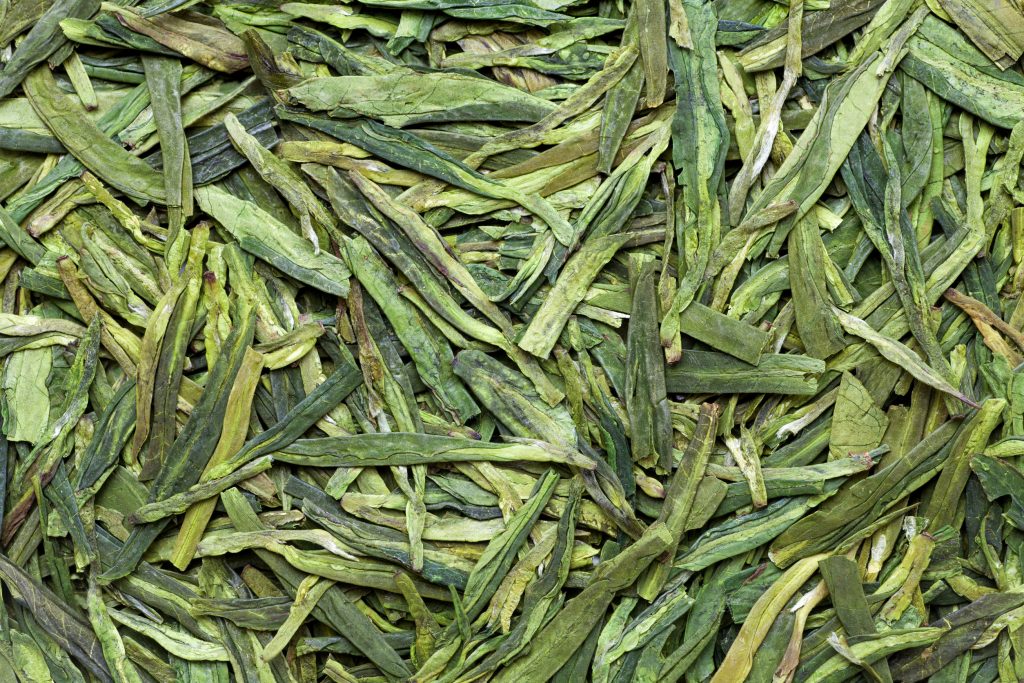
When and how you enjoy green tea can shape your experience:
- Morning: Gently awaken the mind
- Before exercise: Boost fat burning and endurance
- After meals: Aid digestion and regulate blood sugar
- Mid-afternoon: Refocus without a caffeine crash
Avoid drinking it late in the day if you’re sensitive to caffeine, and try pairing it with food to reduce stomach sensitivity.
Frequently Asked Questions
Does decaf green tea offer the same benefits?
Not quite. The decaffeination process removes some beneficial compounds, but decaf green tea still contains antioxidants and can be a good option for those avoiding caffeine.
What type of green tea should I drink?
Choose premium loose-leaf green tea to maximize its rich content of L-theanine and EGCG. Lower-quality or bagged green teas often lack these essential nutrients, a fact many overlook. Don’t be swayed by flashy packaging or clever slogans. At Zenith Leaf, we pride ourselves on offering only the finest green teas. No matter which one you choose, you’re making the right choice for quality and health.
How much caffeine is in green tea?
Most cups contain 20–40 mg of caffeine, depending on the type of tea and brewing duration. High-quality tea leaves, known for efficiently releasing their nutrients, can significantly impact this amount. By reinfusing a small batch of premium tea leaves multiple times—a capability unique to superior leaves—you can maximize caffeine extraction. In fact, resteeping your tea leaves repeatedly can yield as much, if not more, caffeine than a cup of coffee.
How much should I drink?
Research suggests that consuming 3–5 cups of green tea daily offers notable benefits, though even a single cup can make a difference. However, instead of focusing on the number of cups, it’s more effective to measure tea consumption in teaspoons or grams. As highlighted earlier, resteeping the same tea leaves multiple times can be a rewarding practice. Typically, 5–8 grams (or 3–4 teaspoons) of green tea per day is considered a healthy and balanced amount.
Can I drink it on an empty stomach?
Some individuals may feel nauseous due to the tannins in green tea. However, many can tolerate it well and, if you’re among them, you might enjoy additional benefits. Green tea can help boost metabolism during fasting and enhance the absorption of its beneficial compounds.
Are bottled green teas effective?
Not usually. Many are low in real tea content and high in added sugars. Look for unsweetened, fresh-brewed options or make your own.
What about green tea supplements?
Supplements can offer benefits, but concentrated extracts should be used cautiously. Consult your healthcare provider before taking high doses. Opting for high-quality green tea instead keeps you hydrated throughout the day and provides a calming sensory experience to help reduce stress. Additionally, consuming real green tea ensures fresher, more natural constituents.
Side Effects to Note
While green tea is safe for most, excessive intake or high-dose extracts may cause side effects such as:
- Digestive discomfort
- Iron absorption issues
- Insomnia in sensitive individuals
Stick to moderate consumption and listen to your body.
Closing Thoughts
Green tea isn’t about overnight transformation. It’s about slow, steady nourishment. It’s about choosing something gentle, grounded, and time-honored to support your day.
At Zenith Leaf, we believe tea should be both functional and enjoyable—a ritual worth savoring. Explore our curated selection of pure green teas and discover your own rhythm of renewal.
Medical Disclaimer: This article is for informational purposes only and is not intended to substitute professional medical advice, diagnosis, or treatment.